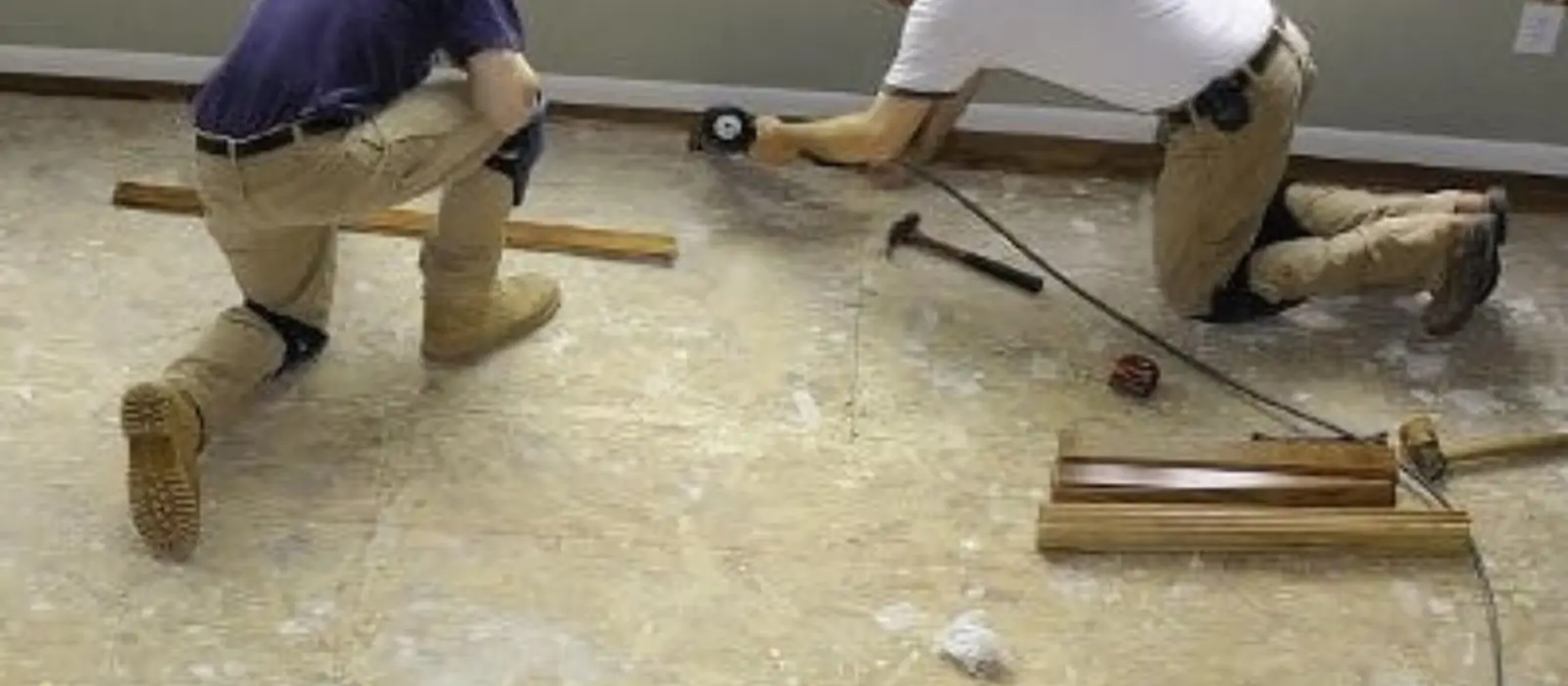
Water damage repair in Spanish Fork is the stage that returns a room to normal after the water is gone. It covers replacing wet drywall and insulation, repairing or replacing flooring, repainting, and reinstalling trim, cabinets or fixtures that came out during drying.
It comes after drying, not before. Closing up a wall that still holds moisture is how a small leak turns into a mold problem later, so repair begins only when readings show the framing and surfaces are dry.
Not sure whether your damage needs repair or just drying? Describe it on a call and we will tell you what we would check first.
☎ Call (385) 988-9410The order repair follows
- The source of the water is fixed, whether that is a pipe, an appliance line, a roof or a drain.
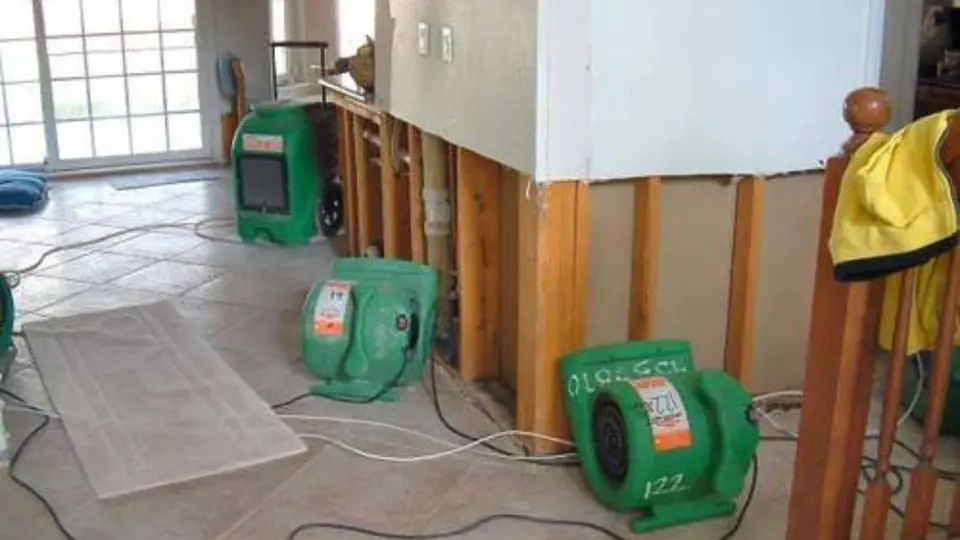
- Standing water is removed and the structure is dried with air movers and dehumidifiers. See water mitigation for that stage.
- Moisture readings confirm that framing, subfloor and surfaces are at dry standards.
- Damaged materials are removed and the scope of rebuild is written down room by room.
- Insulation, drywall, flooring, paint and trim are replaced in the right order.
A written scope with line items protects you in two ways. You can compare it to any other estimate, and your insurer can follow what was done and why.
Ceiling and wall water damage repair
Ceiling and wall repairs are the most common job in this category. A roof leak, an upstairs bathroom or a supply line behind a wall soaks drywall, and the stain is the visible part of a larger wet area. The first step is finding every wet section with a moisture meter or thermal imaging camera, because the stain is rarely the full extent.
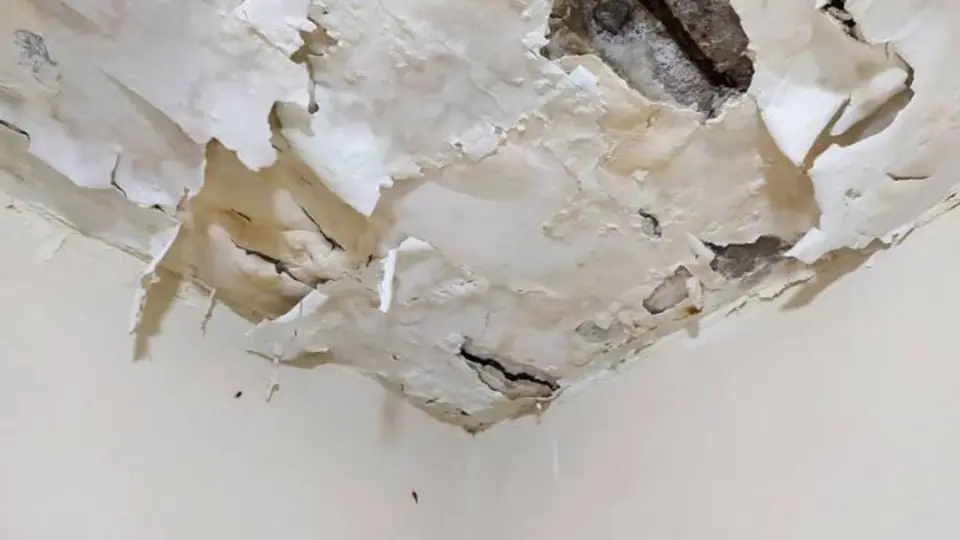
Sagging, bulging or heavily stained ceiling drywall usually has to come down. It is heavy when wet and can fail without warning, so keep people out from under it. Insulation above a wet ceiling should be checked, since it can hold water against the drywall for a long time.
After the wet material is out and the cavity is dry, new drywall goes in, the seams are taped and finished, and the surface is primed with a stain-blocking primer before texture and paint. Matching an existing texture takes skill, and it is often the difference between a repair you notice and one you do not.
Hardwood floors: cupping and drying
Hardwood absorbs water and expands. When the edges swell faster than the middle, boards cup, and when the water is gone and the wood dries, they can flatten out again. That process takes patience, and refinishing before the wood is at its target moisture is a mistake.
If boards have buckled off the subfloor or the finish has clouded and cracked, replacement of the affected area is usually the cleaner answer. Tell your contractor when the floor got wet, because the age of the damage changes what can be saved.
Repair or replace: how the decision gets made
| Material | Often repaired or dried in place | Often replaced |
|---|---|---|
| Drywall | Small, dry stain with no swelling | Sagging, soft, swollen or wet for an extended time |
| Insulation | Dry batts above a small leak | Wet batts or any exposed to contaminated water |
| Hardwood | Cupped boards caught early | Buckled boards or a failed finish |
| Carpet | Clean-water spill dried quickly | Pad soaked or contaminated, carpet delaminating |
| Cabinets | Solid wood with a dry back | Particleboard that has swollen or crumbled |
Permits and inspections in Spanish Fork
Rules for rebuilding depend on what is being rebuilt. Cosmetic repairs are not the same as structural or electrical work, and permit requirements can change with the scope. Spanish Fork's building permit and inspection office is called Spanish Fork Building, and it is the place to ask whether your repair needs a permit before work starts.
A good contractor will tell you plainly when a permit may apply and help you ask the city. Do not take anyone's word for it, including ours. The city building department is the one that decides.
What changes the cost of repair
| Cost factor | How it moves the estimate |
|---|---|
| Water category | Contaminated water means more materials come out and more steps are needed. |
| Affected area | More wall, ceiling and floor means more materials and labor. |
| Materials | Hardwood, custom cabinets and textured ceilings cost more to match than basic finishes. |
| Drying days already spent | A structure that dried well often needs less demolition than one that stayed wet. |
| Rebuild scope | Cosmetic repair, structural framing and finish upgrades are priced separately. |
Insurance may cover repair after sudden and accidental water damage, while gradual leaks and neglect are often excluded. Check your policy or ask your insurer, and ask for a written scope you can send them. We explain scope and price before work starts.
Repairs across Spanish Fork and nearby towns
Homes in Spanish Fork range from older houses near the historic center to newer subdivisions, and the repair details differ with the build. We also take repair work in Springville, Mapleton and Provo, and the same scope-first approach applies there. If your project started with a flood or backup, our flood damage restoration page covers how those losses are handled.
Water damage repair questions
Repairs can start once moisture readings show the framing and surfaces are dry. The number of days depends on the materials and the extent of the damage, so the dry standard decides, not a set number of days.
Usually, yes. Texture matching depends on the type and age of the texture, and an in-person look is the best way to know what to expect.
It depends on the scope. Cosmetic repair is different from structural, plumbing or electrical work. Ask Spanish Fork Building, the city's permits and inspections office, before work starts.
Do not discard materials or start rebuilding before you have photographed everything and talked with your insurer. Emergency steps to stop further damage are different from permanent repairs, and your policy may explain both.
If the cavity is fully dry before it is closed, the risk drops a lot. Closing a wall over moisture is the common mistake, which is why readings come before drywall.
Our work starts after the source is stopped. A plumber or roofer fixes the cause, and we handle drying and rebuilding. We can explain what to ask them to document.