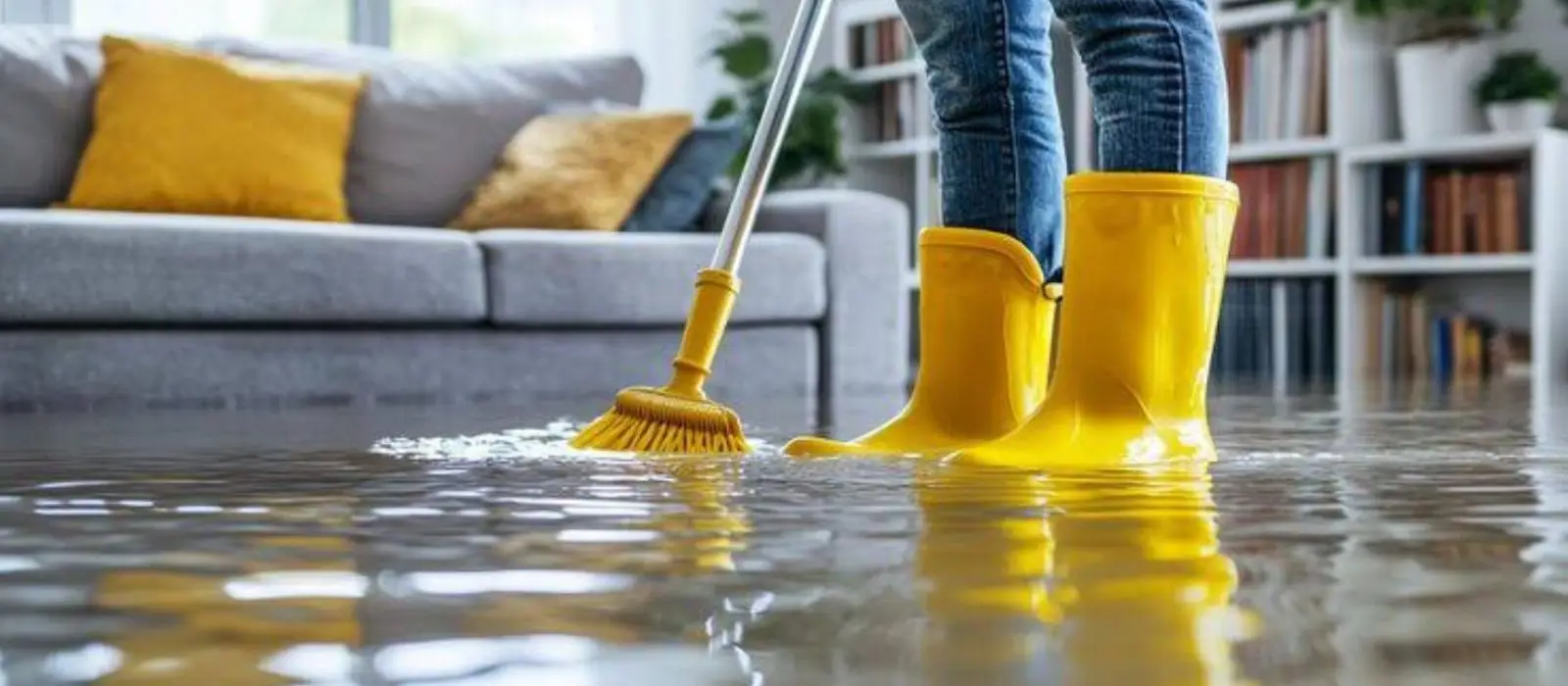
Water damage cleanup in Spanish Fork is the work that happens after the leak or flood is under control. The water source has been stopped and standing water is gone, but wet debris, soaked contents and contaminated materials are still in the house. This page covers that stage, and our 24/7 line is open if you are in the first two days and need help now.
If water is still coming in, stop it at the main valve first and read our guide to emergency water removal. If it has stopped and you are not sure what to do with the mess, the sections below walk through it.
What cleanup covers
- Removing wet carpet pad, insulation, baseboard and drywall that cannot be dried in place
- Hauling away debris and damaged contents
- Sorting belongings into salvageable, restorable and discard piles
- Sanitizing and applying antimicrobial treatment to affected surfaces
- Deodorizing the space so odors do not linger after drying
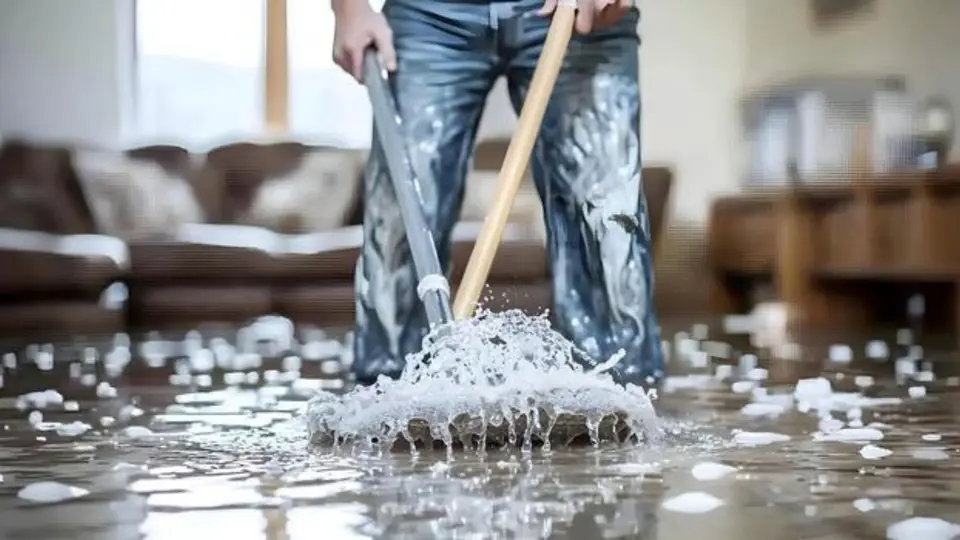
Cleanup does not include rebuilding. Once the space is clean and dry, the scope moves on to water damage repair, which replaces drywall, flooring and finishes.
When cleanup cannot wait: the first 48 hours
The first two days decide how much material can be saved. Wet porous materials hold water and any contamination that came with it, and the longer they sit, the less likely they are to be worth keeping. If the loss involved a toilet, drain or sewer line, treat everything porous that touched the water as a discard candidate.
Start by photographing everything before anything moves. Then separate belongings by what they are made of, because solid wood furniture and tile behave very differently from upholstery and particleboard. Our crews sort and tag so you can show your insurer what was affected.
In the first 48 hours? Call the emergency line and we will help you triage what to save.
☎ Call (385) 988-9410Water categories decide what gets thrown away
| Category | Typical source | What cleanup usually means |
|---|---|---|
| Category 1 | Broken supply line, overflowing sink with clean water | Dry in place where possible, remove saturated pad and soft materials |
| Category 2 | Washing machine or dishwasher discharge, aquarium water | Remove porous materials, clean and sanitize, then dry |
| Category 3 | Sewage, river water, toilet backup | Remove porous materials, protective gear, heavy sanitizing, no shortcuts |
Categories come from the ANSI/IICRC S500 standard for water damage restoration, and clean water that sits long enough can degrade into a worse category. That is one reason speed matters even for a clean supply-line leak.
Contents: what can be saved
Hard goods like metal, glass and sealed wood often clean up well. Books, papers, upholstered furniture and anything absorbent are harder, especially if the water was dirty. Electronics should stay unplugged and be looked at before they are turned on.
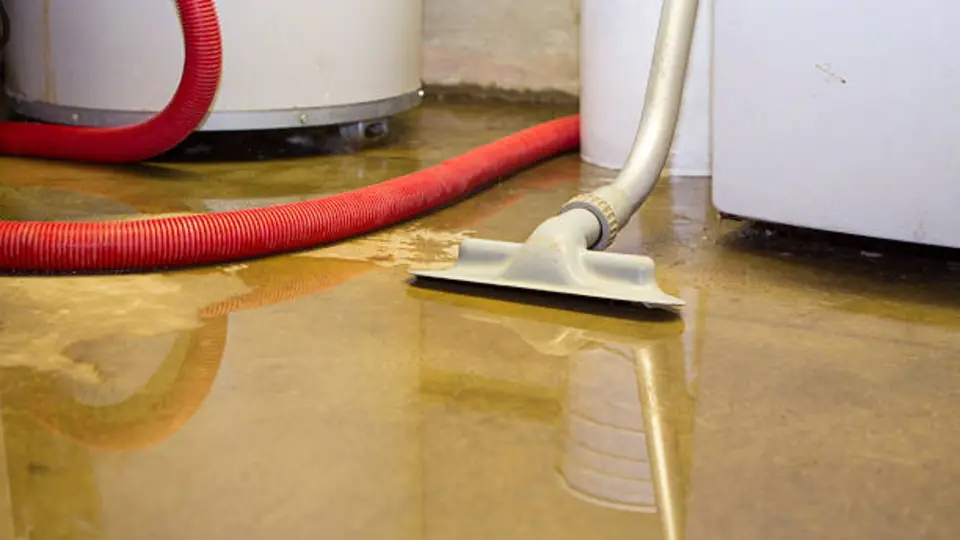
Where it makes sense, belongings are packed out so cleaning and drying can happen on the structure without moving around them. Ask whoever you hire to list what they are taking and what they are leaving behind.
Odor and sanitizing
Lingering odors usually mean something is still wet or contaminated. Surface deodorizers cover the smell for a while and do not solve the cause, so cleanup includes finding and removing the source, then using antimicrobial treatment and air scrubbing where needed.
If a musty smell returns after cleanup, that is a sign to check for hidden moisture. Persistent growth is a different problem, and our mold remediation page explains how that is handled.
What changes the cost of cleanup
| Cost factor | Why it matters |
|---|---|
| Water category | Contaminated water requires more protection, disposal and sanitizing. |
| Amount of debris and contents | More material to sort, haul and pack out takes more labor. |
| Materials removed | Drywall, insulation and flooring each add removal and disposal time. |
| Drying and treatment days | Antimicrobial and air-scrubbing steps add equipment time. |
| Rebuild scope | Cleanup leaves a repair list that is priced on its own. |
For insurance, sudden and accidental water damage is often covered, gradual leaks and neglect often are not, and flood damage usually needs separate flood coverage. Check your policy or ask your insurer, and keep photos and a list of discarded items. We explain scope and price before work starts.
Where we clean up
Cleanup crews work in Spanish Fork and in nearby towns such as Mapleton and Payson, and we can explain how the process works on a phone call before anything is booked. The first call is simply a conversation about what got wet and what you want to know.
Water damage cleanup questions
Yes. The emergency line answers 24 hours a day, every day, and same-day response is available when a crew is available. Cleanup is time sensitive in the first two days, so calling early helps.
Small clean-water spills on hard surfaces often can be handled at home. Anything involving sewage, a large area, wet drywall or insulation, or a room that has been wet for a day or more is better handled by trained crews with the right equipment.
The pad usually comes out because it holds water. The carpet itself can sometimes be lifted, cleaned and dried if the water was clean and the response was quick.
If the cause of the odor is removed, yes. That means removing wet materials, sanitizing and drying the structure fully. Covering the odor without fixing the source usually fails.
They overlap. Water mitigation covers stopping the damage and drying. Cleanup covers debris, contaminated materials and sanitizing, and often happens during the same visit.