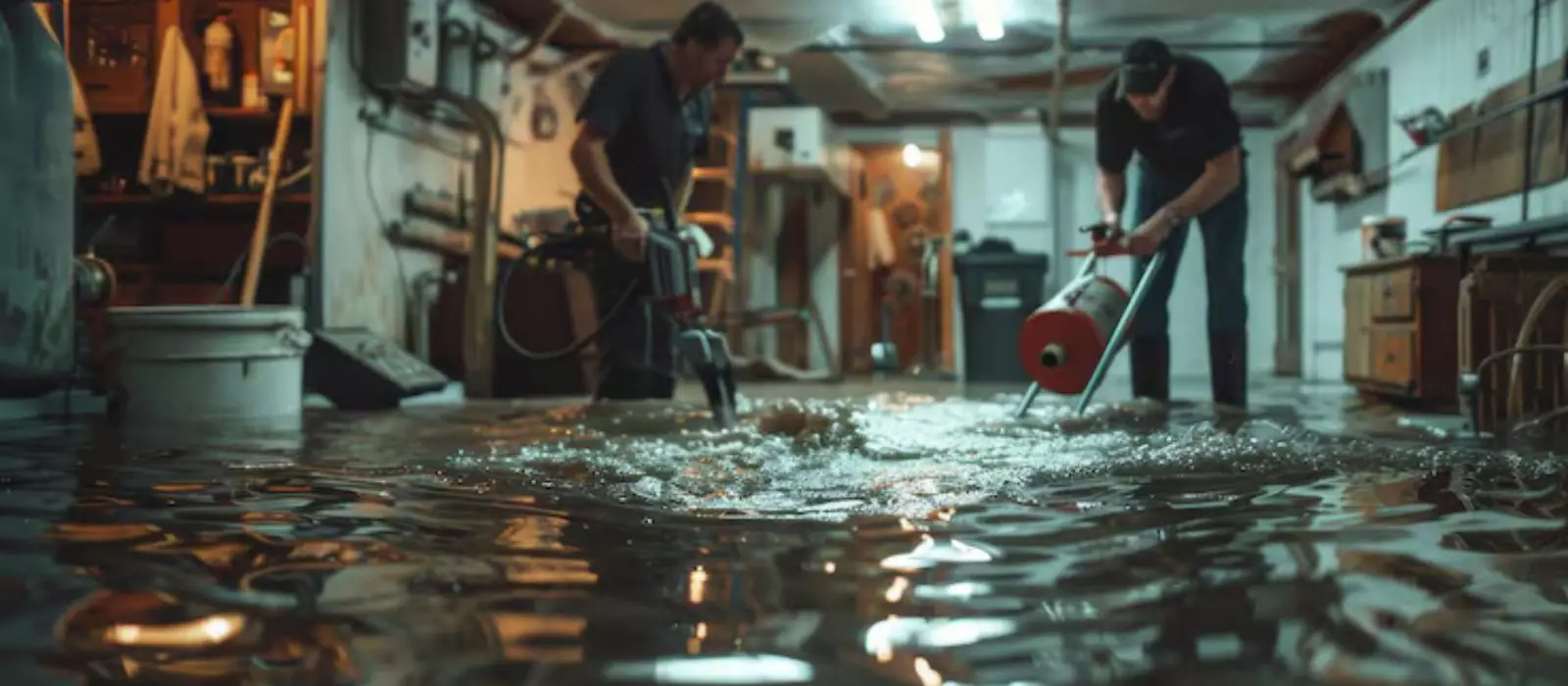
Emergency water removal in Spanish Fork starts with a call to a 24/7 line and ends with the standing water out of the structure and drying underway. If water is on your floor tonight, the steps below limit the damage while help is on the way.
Shut off the main water valve if a pipe or appliance is the source. Turn off power to wet areas only if you can reach the panel without stepping in water. Lift valuables, pull rugs and keep children and pets out of any water that may be contaminated.
Close the main valve or the appliance shut-off. Stopping the supply matters more than anything you do with towels.
If water touches outlets, the panel or anything plugged in, stay out and call the utility or 911 before you call us.
Lift furniture legs onto foil or blocks, move electronics and papers up, and photograph the damage before you move much.
When standing water is an emergency
A damp spot you can dry with a towel is a housekeeping problem. Standing water you can see, water that has reached drywall or the carpet pad, and any water that came from a sewer line or toilet is an emergency. Water also wicks upward into drywall, so a floor that looks only wet can already be carrying moisture a foot up the wall.
Time matters because materials absorb water at different speeds. Carpet and pad drink it quickly, and drywall pulls it up from the baseboard. The longer wet materials stay wet, the more likely they are to need replacement instead of drying.
Electrical and sewage safety
If water reaches an outlet, appliance or the electrical panel, do not wade in. Cut power only if the panel is dry and easy to reach, and call the electric utility or 911 for any shock, sparking or gas smell before you call the restoration line.
Water from a toilet, floor drain or sewer line is treated as Category 3, grossly contaminated water. Keep people and pets out of it and let trained crews handle removal. Our flood damage restoration page explains how sewage cleanup differs from clean-water extraction.
How water is actually removed
Extraction is a sequence, not one machine. Deep water goes first, using submersible pumps that move gallons per minute into the yard or a drain that is approved for it. Once the depth drops, extraction units and wet vacuums pull water out of carpet, pad and floor cracks.
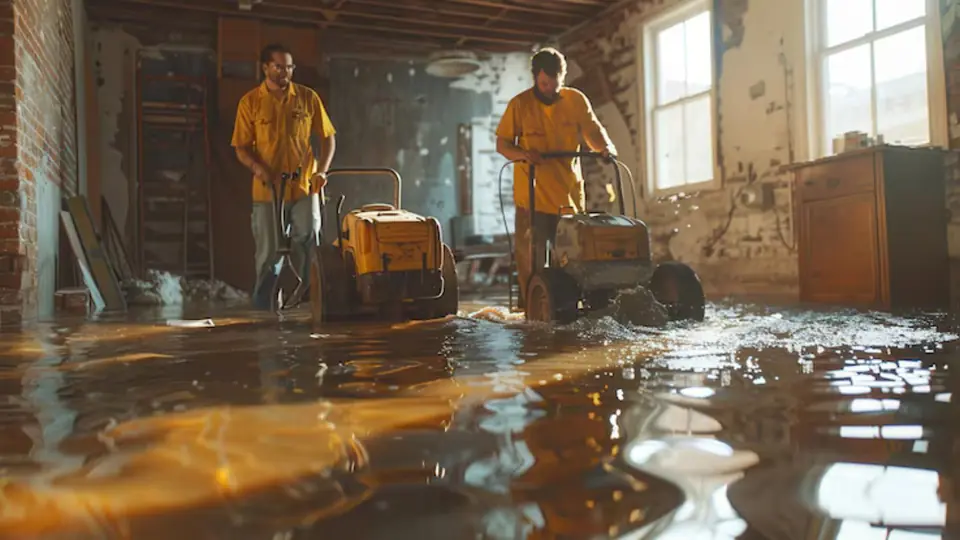
On a hard floor, crews squeegee and vacuum, then lift baseboards where water has gotten behind them. On carpet, the pad is usually the first thing to come out, because it holds water long after the surface feels dry.
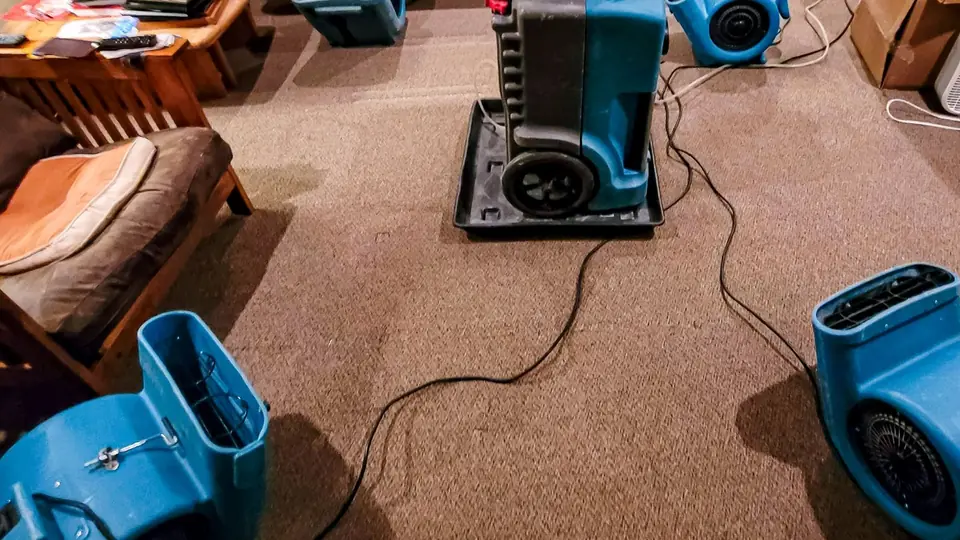
Water categories and drying goals come from the published ANSI/IICRC S500 standard for water damage restoration, which is why extraction is followed by measured drying rather than a guess. After the visible water is gone, moisture meters and thermal imaging cameras find the water extraction could not reach, such as the base of walls, subfloor seams and wall cavities. That map decides whether the job moves to water mitigation with air movers and dehumidifiers, or whether some materials must come out.
Burst pipe water damage
A burst pipe can put a lot of water into a house in a short time, and the water often runs through a wall or ceiling before anyone notices. The first move is the main shut-off, then opening a faucet at the lowest level to relieve pressure and drain what is left in the line.
Utah cold snaps are the usual cause. Pipes in an unheated crawl space, an exterior wall or a garage freeze, split, and show the damage once they thaw. If a pipe is frozen but not yet leaking, keep the shut-off close and call a plumber before heating it aggressively.
Once the water is stopped, extraction and drying decide how much of the ceiling, insulation and flooring below can be saved. Ceiling damage from an upstairs break is also covered in our water damage repair guidance, since the rebuild comes after drying is verified.
Water removal by situation
| Situation | What you see | First action | What the crew does |
|---|---|---|---|
| Burst or frozen pipe | Water spraying or running through a wall or ceiling | Close the main valve | Extract, open the wall or ceiling where needed, then dry |
| Appliance leak | Water spreading from a washer, dishwasher or water heater | Shut the appliance valve | Extract, lift flooring edges, check cabinets and subfloor |
| Sump pump or drain failure | Water rising in a basement | Cut power only if the panel is dry | Pump down, remove wet pad, begin drying |
| Sewer backup | Dark water from a drain or toilet | Stay out, keep pets out | Category 3 extraction, removal of porous materials, sanitizing |
| Storm or runoff | Water coming in at a window well or wall | Move belongings up | Pump, extract and map moisture in framing |
Why Spanish Fork basements take on water
Spanish Fork sits along the Spanish Fork River, and the city's own flood information page records river floods in 1983 and 1984, with flows of 2,770 and 3,700 cubic feet per second against a typical spring flow of 500 to 1,000. Not every house sits near the river, but spring runoff is a reminder to check where your yard drains and how your window wells are set.
The city also runs a separate pressurized irrigation system, which typically operates from about mid-April to mid-October. The homeowner is responsible for the line beyond the first fitting after the meter, so a broken irrigation line in your yard is your repair, and irrigation water pooling against a foundation can end up in a basement.
Sewer responsibility splits at the property line. The city is responsible for the main, and the owner is responsible for the lateral from the property line to the house. That means a backup inside your house often starts on your side of the line, which is worth knowing before you call anyone.
What changes the cost of water removal
Pricing depends on the job, so we explain the scope and price before work starts. These are the factors that move it most.
| Cost factor | Why it matters |
|---|---|
| Water category | Clean water from a supply line is simpler than gray or sewage water, which needs protective gear and disposal of porous materials. |
| Area and depth | More square footage and deeper water means more pump and extraction time. |
| Materials affected | Carpet pad, laminate and drywall often come out, while solid wood and tile may dry in place. |
| Equipment and days | Extraction is the first step, and air movers and dehumidifiers add days of equipment time. |
| Rebuild scope | Removing wet materials creates a repair list that is priced separately from extraction. |
Insurance treatment depends on your policy and the cause. Sudden and accidental water damage is often covered, gradual leaks and neglect often are not, and flood damage is usually excluded unless you carry flood coverage. Check your policy or ask your insurer, and photograph everything before work begins. If you want a real number for your house, call the emergency line and we will talk through scope first.
Water still spreading? The emergency line is open every hour of every day.
☎ Call (385) 988-9410Emergency water removal questions
Yes. The emergency line is open 24 hours a day, every day, and same-day response is available when a crew is available. Tell the dispatcher where the water came from, how deep it is and whether anyone smells gas or has seen sparking, and we will walk you through the safe next steps.
Close the main water valve, cut power to wet areas only if you can do it safely, and move valuables up and out of the water. Take photos and video of the water and the damage for your insurer. Do not use a household vacuum on standing water.
Yes. Finished basements usually mean carpet, pad, baseboard and drywall, so crews extract first and then decide what has to come out. Our flood damage restoration page covers basement flooding and sewage backups in more detail.
No. Extraction removes liquid water. Drying removes the moisture still held in drywall, framing and flooring, and it is done with air movers, dehumidifiers and daily moisture readings. See water mitigation for how that stage works.
Yes. We work in Springville, Salem, Payson, Mapleton and Provo as well. See our Springville and Payson pages for the details on each area.
No. Water removal and drying repair the damage, but they are not waterproofing or foundation drainage work. If water keeps coming in, you will need a drainage or foundation contractor in addition to restoration.