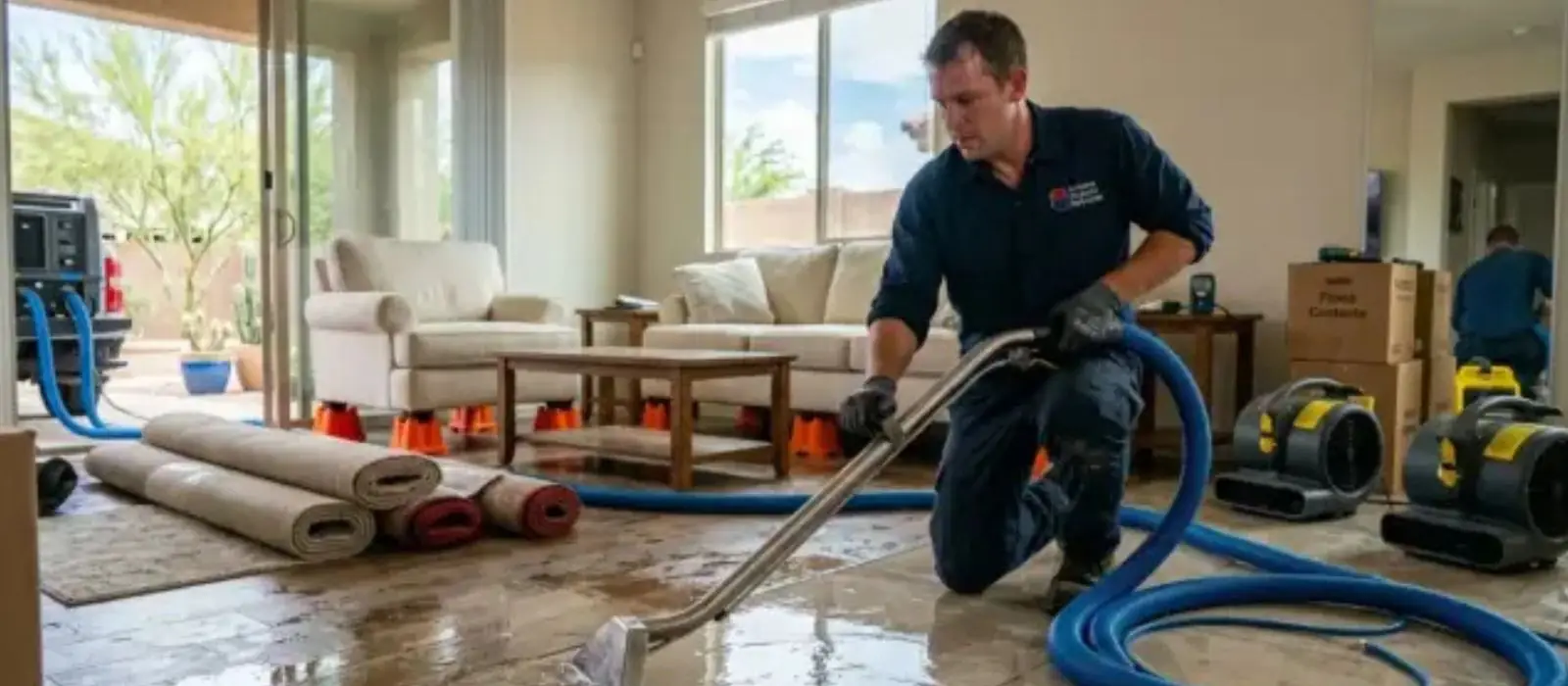
Water Damage Restoration in Spanish Fork, UT
Emergency water damage restoration for Spanish Fork and nearby Utah County towns. Extraction, structural drying, cleanup and rebuild, with the scope and price explained before work starts.
- Licensed and insured
- 24/7 emergency line
- Documentation for your insurer
At a glance
Active water, flood or mold damage?
The emergency line answers 24 hours a day, every day of the year.
What to know when water has already gotten in
Water damage restoration in Spanish Fork is a sequence of jobs, and the order matters. First the water source is stopped and standing water is pulled out. Then the structure is dried with air movers and dehumidifiers until moisture readings reach a dry standard. Contaminated or ruined materials are removed and cleaned up, and only then does the rebuild start.
Skipping or rushing a step is how a small leak becomes a large repair. Wet drywall closed back up too early invites mold. Carpet pad left in place after a flood holds water for days. We explain each stage and its scope before work starts, so you know what you are agreeing to and why.
Our 24/7 emergency line is the front door. A call takes a few minutes, and what the dispatcher asks, such as where the water came from, how deep it is and whether anyone has smelled gas or seen sparking, decides what the crew brings and what you should do while you wait.
What we handle in Spanish Fork
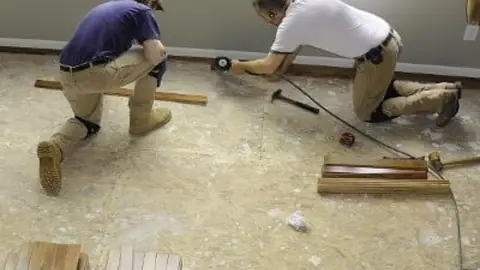
Water Damage Repair
Water damage repair after drying: drywall, insulation, flooring and paint rebuilt once moisture readings clear.
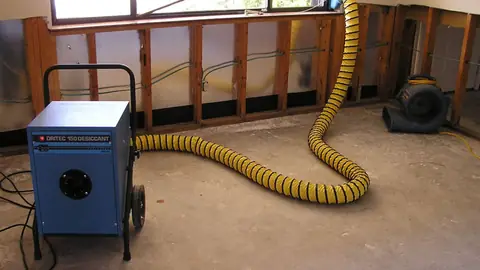
Water Mitigation
Emergency water mitigation in the first 24 to 72 hours: stop the source, extract and set up structural drying.
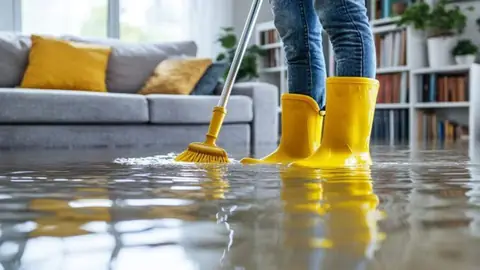
Water Damage Cleanup
Debris, contaminated materials and contents handled, then surfaces sanitized and odors treated.
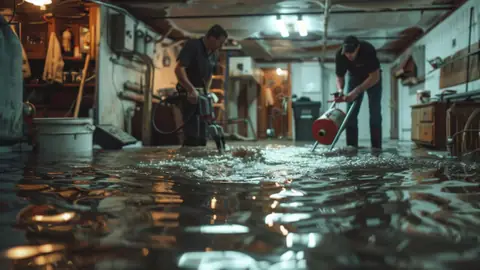
Emergency Water Removal
Pumps and extraction units pull standing water from basements, kitchens and living areas.
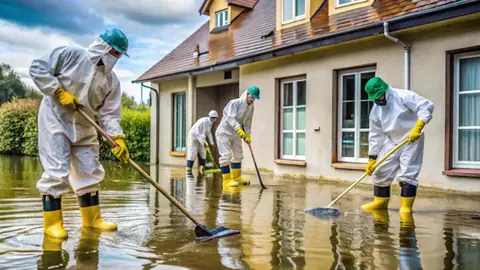
Flood Damage Restoration
Runoff, river overflow, groundwater and sewer backups, including Category 3 water.
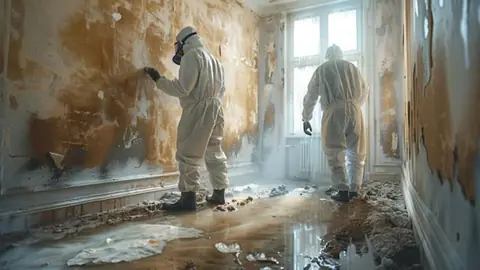
Mold Remediation
Inspection, containment, removal and verification after a leak, following ANSI/IICRC S520.
How we work
24/7 emergency line
Water does not keep business hours. The line is staffed every hour of every day.
Scope first
We explain what the job involves and how it is priced before work starts.
Documented work
Photos and moisture readings give you and your insurer a clear record.
Licensed and insured
Restoration professionals, working to the published ANSI/IICRC S500 and S520 standards where they apply.
From first call to restored
- 1
Call the line
Describe the damage and the source, at any hour.
- 2
Assessment
Moisture meters and thermal imaging map what is wet, and the scope is written.
- 3
Mitigation
Extraction and structural drying begin, with readings each visit.
- 4
Restoration
Materials that came out are rebuilt once the structure is dry.
What shapes the cost of a water loss
We do not publish dollar figures because no two losses are alike. These are the factors that move a price, and they are the same factors we walk through when we explain a scope.
| Cost factor | What it changes |
|---|---|
| Water category | Clean, gray and sewage water each call for different protection, disposal and cleaning. |
| Affected area | More wet square footage means more extraction, equipment and materials to replace. |
| Materials involved | Carpet pad and drywall usually come out, while tile and solid framing often dry in place. |
| Drying days | Air movers and dehumidifiers run until readings reach dry standards, which can take several days. |
| Rebuild scope | Replacing what came out is estimated separately from drying and cleanup. |
Want your real number? Call and tell us what happened. We would rather explain the scope than guess, and you can compare it against any other estimate you collect.
Documentation that helps your claim
What to photograph and keep
Sudden and accidental water damage is often covered by homeowners insurance, gradual leaks and neglect often are not, and flood damage usually needs separate flood coverage. Check your policy or ask your insurer, because coverage depends on the policy and the cause.
Whatever the answer, good records help. Photograph the damage before anything moves, keep a list of discarded items, and ask for moisture readings and a written scope. We provide that documentation, and your insurer decides coverage.
Why Spanish Fork homes take on water
Spanish Fork sits along the Spanish Fork River, and the city's flood information page records river floods in 1983 and 1984 at 2,770 and 3,700 cubic feet per second, against a typical spring flow of 500 to 1,000. If you live near the river, check your address on the FEMA Flood Map Service Center and ask your insurer about flood coverage, because standard homeowners policies exclude flood.
The city's pressurized irrigation system typically runs from about mid-April to mid-October. The owner is responsible for the line beyond the first fitting after the meter, so a split irrigation line in the yard is a repair you own, and pooling against a foundation can end up in a basement.
The city is responsible for the sewer main to the property line, and the owner is responsible for the lateral from there to the house. A backup indoors often points to the owner's side, and a plumber with a camera can confirm that before you decide who to call.
The city also has older buildings, such as the 1910 Thurber School on Main Street, now used as city offices. Older construction generally means older supply lines, roofs and wiring, so when a leak shows up in an older home near the center of town, the first question is what the pipes and materials are. Newer subdivisions have their own weak points, usually appliance lines, water heaters and attic condensation.
Service area across Utah County
Spanish Fork is our home base, and the same emergency line covers nearby towns. Each page below explains local water exposure, housing and ZIP codes for that area. See all of them on our service areas page.
Water damage restoration questions
Yes. The emergency line is open 24 hours a day, every day of the year, and same-day response is available when a crew is available. Describe what happened and the dispatcher will tell you what to do safely while help is arranged.
Stop the source if you can, usually at the main water valve. Cut power to wet areas only if the panel is dry and easy to reach, lift valuables, keep children and pets out of contaminated water, and photograph the damage before anything moves. Then call the emergency line.
The scope decides it: the water category, the area affected, the materials involved, how many days of drying equipment the structure needs and what has to be rebuilt. We explain scope and price before work starts, so you are not guessing. Our water damage repair page shows how those cost factors play out.
Yes. An inspection is how a scope gets written, and it usually involves moisture meters and thermal imaging to find what is wet behind surfaces. Call and describe the situation, and we will explain scheduling. We do not promise arrival windows, but same-day response is available when a crew is available.
Yes. Larger losses involve extraction, drying, cleanup and rebuilding in sequence, and your insurer will want documentation. We provide photos, moisture readings and a written scope you can send them. Coverage decisions belong to your insurer, so check your policy and ask them directly.
No. Restoration removes water and repairs damage after a loss. Waterproofing and foundation drainage stop water from entering, and that is a different trade. If your basement keeps taking on water, you will likely need both.
We serve Springville, Salem, Payson, Mapleton and Provo as well. Each has its own page with local details on water exposure and housing.
Damage spreading right now?
The 24/7 emergency line is open. Tell us what happened and we will explain the next steps.
☎ Call (385) 988-9410